
Turning Design Tutorials Into Traffic: How AI Writing Tools Help Artists Automate Blog Content
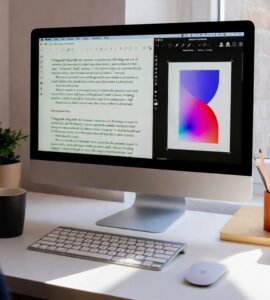 Digital artists spend hours perfecting Photoshop creations, but sharing that work often feels like a chore. Many talented designers craft stunning visuals, yet their blogs sit quiet. Traffic trickles in slowly, if at all. That’s where AI content writing tools come in. These smart assistants let creators turn sketches into stories and ideas into SEO-ready tutorials, all without spending hours writing.
For more insights on how Photoshop creators can boost visibility through collaborative SEO strategies, check out this guide on how Photoshop creators can now grow their reach with pooled SEO software.
Artificial intelligence is changing how artists share their craft. Instead of manually drafting posts, creatives can now feed key project details into AI systems. In minutes, the software transforms outlines into polished tutorials with search-friendly headlines, engaging intros, and formatted steps. One illustrator shared, “I used to dread updating my blog. Now, I can turn a finished design into a full article before lunch.”
These tools connect smoothly with platforms like WordPress or Medium, helping artists publish at the right time for the right audience. For creators exploring automated storytelling, platforms that specialize in ai content make it even easier to maintain consistency, boost SEO, and grow traffic without constant manual writing.
Streamlining Tutorial Publishing
Tutorials demand structure, clarity, and attention to detail, three things AI excels at. Many artists hesitate to post because writing takes time away from designing. But AI can now draft comprehensive Photoshop or Illustrator tutorials from a few short notes. You enter the topic say, “how to use blending modes” and the tool expands it with trending keywords, examples, and visual suggestions.
- Generate step-by-step guides in under 10 minutes.
- Automatically embed relevant images or GIFs.
- Optimize for search terms like “easy Photoshop glow effects” to boost visibility.
Why does this matter for traffic? Search engines love fresh, well-structured content. A single tutorial can attract thousands of readers if it matches what beginners are searching for. One graphic designer noted that an AI-generated post on digital painting “brought hundreds of new visitors overnight.” With automation handling the writing, artists can keep publishing regularly without sacrificing creativity.
Effortless Portfolio Updates
Keeping a portfolio updated often gets pushed aside amid client deadlines. Yet it’s vital for showcasing growth. AI writing tools make it easy to turn new work into meaningful stories. Upload a few recent designs, add a short description, and the AI crafts a blog post highlighting your creative process, complete with captions that describe your inspiration, color choices, or challenges.
- Schedule portfolio refreshers automatically.
- Repurpose blog snippets for social media sharing.
- Track engagement data to understand what resonates.
Consider an illustrator juggling commissions and freelance gigs. With AI support, her blog can now refresh itself monthly, showcasing her evolution without her needing to write long posts. Her audience stays engaged, and potential clients always see her latest work. Automation builds momentum, quietly, consistently, and effectively.
Sharing Design Tips with Ease
Quick design tips build community, but posting daily takes effort. AI writing tools make microcontent simple. Record a short voice memo about a new Photoshop shortcut, and the software can turn it into a concise, readable blog post. These bite-sized insights can be formatted as lists, tutorials, or Q&As, depending on your style.
- Create series like “5-Minute Design Hacks.”
- Integrate with LinkedIn or Instagram for cross-posting.
- Use feedback analytics to plan your next post.
This approach turns one idea into multiple forms of content, a blog post, a tweet thread, even a short video script. Over time, your site becomes a library of knowledge that attracts returning readers. As one content creator put it, “My AI-assisted design tips now get shared more than my full tutorials. It’s addictive watching the numbers rise.”
Real Wins from the Creative Frontlines
Artists using AI tools are seeing real results. A motion graphics creator automated his blog posts and saw organic search traffic jump 150%. A freelancer turned her AI-generated tips into short videos and tripled her audience in a few months. These stories aren’t about luck, they show what consistent, automated publishing can do for visibility and engagement.
Of course, balance matters. AI content still needs your voice and vision. The best approach is to edit drafts, add personality, and infuse your tone. The technology handles structure and optimization, but the soul of the story remains yours.
The Bigger Picture for Artists
Automation isn’t about replacing creativity, it’s about amplifying it. By letting AI handle repetitive blogging tasks, artists reclaim time for experimentation and artistry. Regular posts mean steady traffic, which leads to new followers, collaborations, and clients.
As digital spaces get more crowded, AI-powered content writing levels the field. It helps solo artists compete with large studios in visibility, quality, and consistency. The future of blogging isn’t about more work, it’s about smarter creation.
Ready to turn your tutorials into traffic magnets? Explore how AI writing tools can transform your process. When human creativity meets machine precision, the results can be truly inspiring, one automated post at a time.
 Every month, thousands of new Photoshop tutorials are uploaded online. Yet only a handful make it to the first page of Google or attract real engagement. The difference often lies in how creators promote their content. While talent and skill are vital, understanding SEO can dramatically boost visibility and audience reach for design professionals. For creators aiming to showcase their tutorials or portfolios, smart SEO strategies are becoming just as essential as creative techniques.