





Free Upvotes Reflect How Design Communities Judge Clarity in Photoshop Lessons

Open any design forum and a pattern appears. The Photoshop lessons that rise to the top are rarely the flashiest. They are the ones a beginner can follow without getting lost.
Free upvotes, the votes readers give when a post helps them, work like a quiet survey of what people find clear. Looking at what earns that approval shows what makes a tutorial genuinely useful.
Upvotes Are a Signal of Usefulness
In most communities, an upvote means “this helped me” or “this is worth others’ time.” Readers give them without being asked, after they follow a lesson and see it work.
Because votes come from many people, they gather opinions about quality. Tutorial authors can read them as feedback on whether the lesson delivered what the title promised.
Show the Result First
Lessons that [….]

 Designers are not usually the first people you think of when talking about SAP S/4HANA. Yet in many organizations, especially those preparing to migrate to S4HANA, designers play a quiet but essential role in how this system works day to day. Their tools, especially Photoshop, help turn raw business data into visuals that teams can actually use. This is not about designers logging directly into SAP all day. Instead, it is about how their work supports, feeds, and enhances S/4HANA workflows across departments such as marketing, sales, procurement, and product management.
 Every month, thousands of new Photoshop tutorials are uploaded online. Yet only a handful make it to the first page of Google or attract real engagement. The difference often lies in how creators promote their content. While talent and skill are vital, understanding SEO can dramatically boost visibility and audience reach for design professionals. For creators aiming to showcase their tutorials or portfolios, smart SEO strategies are becoming just as essential as creative techniques.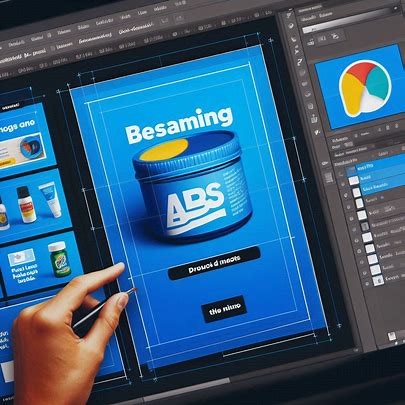



 Digital artists spend hours perfecting Photoshop creations, but sharing that work often feels like a chore. Many talented designers craft stunning visuals, yet their blogs sit quiet. Traffic trickles in slowly, if at all. That’s where AI content writing tools come in. These smart assistants let creators turn sketches into stories and ideas into SEO-ready tutorials, all without spending hours writing.



 Walk into a facility where camera lenses or sensors are made, and it doesn’t look like a regular factory. It’s quiet and spotless, and there’s a steady hum of air moving overhead. That hum comes from the