
Designing Scroll-Stopping PPC Ad Images with Photoshop
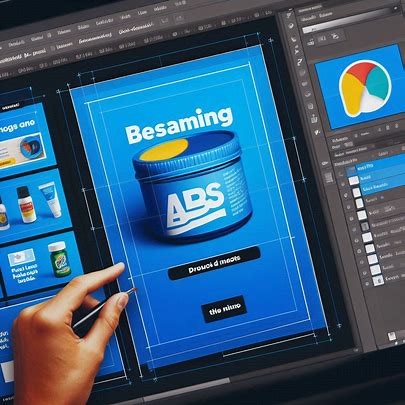
layers for a PPC ad campaign on photoshop

High-performing PPC ad images grab attention in milliseconds. Analytics show that visuals with bold colors, clear text, and human faces often outperform others. This guide teaches marketers and designers how to use Photoshop to craft these high-converting visuals. By blending design best practices with performance data, you’ll create ads that stop scrolls and drive clicks.

Why do some PPC ads thrive while others flop? Data from platforms like AdStage, a PPC and advertising blog, reveals that top-performing ads share common traits: vibrant colors, minimal clutter, and strong calls to action. Photoshop is the ideal tool for bringing these elements together. Its flexibility lets you experiment with layouts, fonts, and effects to match your brand. Let’s dive into a step-by-step tutorial to create a winning ad image, plus templates to streamline your process.

Step 1: Set Up Your Photoshop Canvas

Start with the right canvas size. Most PPC platforms, like Google Ads or Facebook, recommend sizes like 1200×628 pixels for display ads or 1080×1080 for social media. Open Photoshop, create a new file, and input these dimensions. Set the resolution to 72 DPI for web use. This ensures your ad loads quickly without sacrificing quality. Name your file clearly, like “PPC_Ad_CampaignName,” to stay organized.

Step 2: Choose a Data-Driven Color Scheme

Colors influence clicks. Analytics highlight that high-contrast palettes, like red against white or blue with yellow, perform best. In Photoshop, use the Color Picker to select a bold background color. For example, a bright blue (#007BFF) grabs attention. Layer a contrasting text color, like white or yellow, for readability. Avoid busy backgrounds; simplicity wins in PPC. If your brand has a style guide, incorporate its colors to maintain consistency.

Step 3: Add Compelling Visuals

Human faces boost engagement, according to ad performance data. Use Photoshop’s Select and Mask tool to cleanly cut out a high-quality image of a person or product. Place it strategically, ensuring it doesn’t overwhelm the ad. For example, position a smiling face on the left to draw the eye naturally across the design. If you’re advertising a product, make it the focal point with a subtle drop shadow for depth.

Step 4: Craft Clear, Bold Text

Text in PPC ads must be concise and punchy. Analytics show that short, action-oriented phrases like “Shop Now” or “Save 50%” drive clicks. In Photoshop, select a sans-serif font like Helvetica or Roboto for clarity. Use a font size of at least 24pt for readability on small screens. Add a slight stroke or shadow to make text pop against the background. Keep text to 20% or less of the image to comply with platform rules, like Facebook’s ad guidelines.

Step 5: Incorporate a Call-to-Action Button

A strong CTA button seals the deal. Create a rounded rectangle in Photoshop with the Shape tool. Fill it with a contrasting color, like orange on a blue background. Add text like “Click Here” in a bold font. Apply a subtle glow or shadow effect to make the button stand out. Position it in the lower-right corner, where users naturally look last. This small detail can lift conversion rates significantly.

Step 6: Test and Optimize

Once your ad is ready, save it as a PNG or JPEG for web use. But don’t stop there. Performance data emphasizes testing multiple versions. Create variations with different colors, text, or images. For instance, try a green CTA button instead of orange. Upload these to your PPC platform and track which performs best. Photoshop’s layers make it easy to tweak designs without starting from scratch.

Using Templates for Speed

Time is money in PPC campaigns. Create a Photoshop template with pre-set canvas sizes, color swatches, and font styles. Save it as a PSD file for reuse. For example, include layers for a background, product image, text, and CTA button. This lets you swap elements quickly for new campaigns. You can apply similar techniques to create Spotify ad graphics, ensuring consistency across platforms. Many PPC platforms also offer free templates, but customizing them in Photoshop ensures your brand stands out.

Final Thoughts

Creating scroll-stopping PPC ads in Photoshop is both art and science. By leveraging analytics, you can design visuals that not only look visually appealing but also effectively convert. Focus on bold colors, clear text, and strong CTAs. Experiment with variations and use templates to save time. With practice, you’ll craft ads that grab attention and drive results. Ready to start? Open Photoshop and let your creativity meet data-driven design!
How to Create Your Own Minecraft Menu with Photoshop

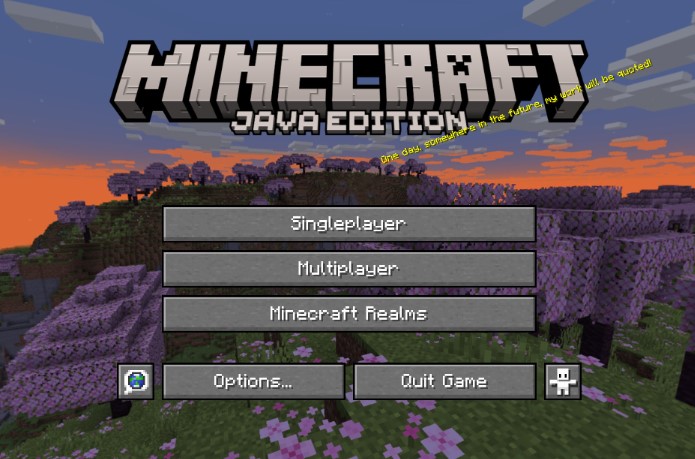
minecraft menu

Are you tired of the same old Minecraft menu? Want to give your game a fresh look that reflects your style? Look no further! In this guide, we’ll show you how to use Photoshop to design a custom menu for your Minecraft game. With a few tips and tricks, you’ll be able to make your menu look realistic and appealing, setting your game apart from the rest.

What is Minecraft?

Minecraft, developed by Mojang Studios, is a sandbox video game that allows players to explore, create, and survive in a blocky, pixelated world. Minecraft is better played on top Minecraft servers. The gameplay offers a vast open world with infinite possibilities, where players can gather resources, build structures, and interact with various creatures and other players.

The game’s popularity stems from its endless creativity and flexibility, enabling players to unleash their imaginations and craft unique experiences tailored to their preferences. Whether you’re a fan of exploration, building, survival, or creative expression, Minecraft offers something for everyone.

Getting Started

Before diving into Photoshop, it’s essential to have a clear vision of what you want your menu to look like. Consider your theme, color scheme, and any specific elements you want to include, such as icons or textures.

Once you have a plan in mind, open Photoshop and create a new document with the dimensions of your Minecraft menu. You can find templates online to help you get started if needed.

Designing Your Menu

Start by sketching out your design on paper or digitally to get a sense of the layout and composition. Then, begin transferring your ideas into Photoshop.

Use layers to organize your design elements, keeping things tidy and easy to edit. Experiment with different fonts, textures, and effects to achieve the look you want.

Don’t be afraid to play around with colors and gradients to add depth and visual interest to your menu. Consider incorporating elements from the Minecraft universe, such as pixel art or block textures, to tie your design to the game.

Adding Interactivity

Once you’re happy with your design, it’s time to add interactivity to your menu. You can do this by creating buttons for options like “Play,” “Settings,” or “Quit,” using layer styles to give them depth and dimension.

Consider adding hover effects or animations to make your menu feel more dynamic and engaging. This will help draw players in and make navigating your menu a more enjoyable experience.

Testing and Tweaking

Before finalizing your menu, be sure to test it in-game to ensure everything looks and functions as intended. Make any necessary adjustments based on feedback from playtesting, focusing on usability and readability.

Once you’re satisfied with your menu, save it as a PNG file with a transparent background to preserve its quality and compatibility with Minecraft.

READ ALSO: Mastering the Art of Image Editing

Conclusion

Creating your own Minecraft menu with Photoshop is a fun and creative way to personalize your gaming experience. By following these steps and letting your imagination run wild, you can design a menu that reflects your style and sets your game apart from the rest.

Being a Photo Editor Without Photoshop

Laptop and tablet

Everyone needs to be helpful in what he or she’s doing. To become the best is hopeless without particular expertise, certain abilities and much training. Imagine if you would like to be the very best picture editor with no Photoshop knowledge?

Photoshop is a very professional and intricate instrument to study. But today a lot of different tools available online entirely free can let you be a superb photograph editor with no. Want understand how? Here we go.

A Regular of a Photo Editor

If you’re somebody who’s a specialist in control of examples in certain periodical or at site, you frequently will need to desperately deal with the images, and to set up Photoshop might be neither possible nor desired in the hour, even when you’re well knowledgeable about the instrument and possess excellent skills utilizing it.

Newspapers, magazines and sites always require photo illustrations, like they want photographers or designers, and copywriters. But an editor not merely is searching for pictures, collects them, edits and edits, but it is someone who’s involved in the procedure for an article production, builds quite a few descriptive strategies to describe the notion of the text also gives it an extra significance, psychological content and so forth. A seasoned photo editor includes a well recognized communication and direction of photographers surroundings, works together, formulates the activities for them.

Well, if you call yourself a professional, you probably are aware that a photography along with a photograph editing would be both essential elements of photojournalism. The greater the degree of all these, the greater the outcome is. Along with also a fantastic photo editor leads to this photographer much.

Editor assesses the quality of the pictures, is included in the post production of this item, in other words, co-sponsors and oversees photography and editing.

Unfortunately, in contemporary practice, picture editors might at times be refereed to normal photographers, moderators or illustrators. Even though the amount of a professional photo editor presupposes more. They should haven’t merely the flavor and erudition, but also understand a great deal about the art of photography, like creative thinking, comprehend the laws of arts and design and be able to use modern tools such as Photoshop, etc..

Occasionally even graphic designers, designers with a fantastic education in the humanities that function as editors but don’t use Adobe Photoshop are prejudiced. You will find a couple of ways from this scenario to demonstrate they may be the best with Photoshop obsession.

𐌢